Respiratory System Nasal Cavity Diagram - Https Encrypted Tbn0 Gstatic Com Images Q Tbn And9gcqh1qywywrtrsuzo K6aqlxxoem4bee3bydstdtxvelneuwbkbl Usqp Cau - The nose and nasal cavity constitute the main external opening of the respiratory system.
Get link
Facebook
X
Pinterest
Email
Other Apps
Respiratory System Nasal Cavity Diagram - Https Encrypted Tbn0 Gstatic Com Images Q Tbn And9gcqh1qywywrtrsuzo K6aqlxxoem4bee3bydstdtxvelneuwbkbl Usqp Cau - The nose and nasal cavity constitute the main external opening of the respiratory system.. The main organ of the respiratory system. A passage through which air moves in the respiratory system. The nose is the organ with which we breathe air in. This tube connects are nasal cavity to our lungs. 3 lobes slightly larger than left;
Nasal cavity air is warmed and filtered as it enters the body. This air then passes to the pharynx. The main organ of the respiratory system. A nose is a protuberance in vertebrates that houses the nostrils, or nares, which receive and expel air for respiration alongside the mouth.behind the nose are the olfactory mucosa and the sinuses.behind the nasal cavity, air next passes through the pharynx, shared with the digestive system, and then into the rest of the respiratory system.in humans, the nose is located centrally on the face. It is a continuation of the two nostrils.
What Is Lung Cancer Cdc from www.cdc.gov Here, its primary purpose is to let inhaled air pass from the nasal cavity to the larynx, windpipe and then the lungs 6. Nasal cavity air is warmed and filtered as it enters the body. It is the best entrance for outside air, as hairs and mucus line the inside wall and operate. External nares the 2 oval openings in the nose where air enters. Function in the respiratory system: This tube connects are nasal cavity to our lungs. The air is inhaled with the help of nostrils, and in the nasal cavity, the air is cleansed by the fine hair follicles present within them. As you breathe in air through your nose and.
The respiratory system in human beings can be divided into the upper respiratory tract that consists of nasal passages, pharynx, and larynx, and the lower respiratory tract that is composed of the trachea.
The respiratory and digestive systems separate at the larynx, making it a vital organ in the function of both. The nose is one of the primary sensory organs responsible for the sense of smell, while it also plays major roles in respiration and speech production 1.the nasal cavity lies just behind the two nostrils and forms the interiors of the nose. Nasal cavity has an important role in breathing. The nose and nasal cavity constitute the main external opening of the respiratory system. 3 lobes slightly larger than left; The nasal cavity is the uppermost part of the respiratory system, divided into two by the nasal septum. The nasal cavity has four functions: For the anatomical description, the pharynx can be divided into three floors. See more ideas about nasal cavity, anatomy, respiratory system anatomy. The nasal conchae protrude slightly into the nasal cavity producing folds that induce turbulance in air as you inhale through the nose. Air cells that open independently into the nasal cavity. Human respiratory system diagram showing different parts of the respiratory tract. A nose is a protuberance in vertebrates that houses the nostrils, or nares, which receive and expel air for respiration alongside the mouth.behind the nose are the olfactory mucosa and the sinuses.behind the nasal cavity, air next passes through the pharynx, shared with the digestive system, and then into the rest of the respiratory system.in humans, the nose is located centrally on the face.
Functions in the respiratory system. It is a continuation of the two nostrils. As inhaled air flows through the nasal cavity, it is warmed and humidified. Anatomy physiology of nose, nasal and paranasal sinus. They connect to your nasal passages in a complex network of air flow and drainage passages.
Respiratory System Anatomy And Physiology Nurseslabs from nurseslabs.com The nasal cavity is the are inside the nose, separated from the oral cavity (the area inside the mouth) by the nasal spine. The respiratory system in human beings can be divided into the upper respiratory tract that consists of nasal passages, pharynx, and larynx, and the lower respiratory tract that is composed of the trachea. Trachea brings air into the lungs. As you breathe in air through your nose and. The nose is an olfactory and respiratory organ. The nasal cavity has four functions: The air is inhaled with the help of nostrils, and in the nasal cavity, the air is cleansed by the fine hair follicles present within them. The nasal septum divides the cavity into two cavities, also known as fossae.
The nasal cavity has four functions:
Responsible for sense of smell. Nasal cavity has an important role in breathing. External nares the 2 oval openings in the nose where air enters. Hairs in the nose help trap larger foreign particles in the air before they go deeper into the respiratory tract. Bronchus branches off the trachea to. May also serve as an alternative way for letting air enter the respiratory tract. The nasal cavity has four functions: The sinuses are part of your nose and respiratory system. As you breathe in air through your nose and. The main organ of the respiratory system. Here, its primary purpose is to let inhaled air pass from the nasal cavity to the larynx, windpipe and then the lungs 6. For the anatomical description, the pharynx can be divided into three floors. To know the structure of the trachea and extrapulmonary bronchi.
Superior lobe middle lobe inferior lobe. It is also connected to the tympanic cavity of the middle ear through the auditory tubes that open on both lateral walls. The nose is the organ with which we breathe air in. An overview of the respiratory system •protection of the respiratory system •hairs in the nose block some of the inhaled debris •called vibrissae •nasal cavity produces mucus to trap inhaled debris •sneezing will remove this debris •respiratory epithelium mucus will trap inhaled debris •coughing will remove this debris Function in the respiratory system:
Anatomy Respiratory System from www.biologycorner.com The space in the human body where the lungs are located. Supported by rings of cartilage that prevent it collapsing. They connect to your nasal passages in a complex network of air flow and drainage passages. Air cells that open independently into the nasal cavity. A nose is a protuberance in vertebrates that houses the nostrils, or nares, which receive and expel air for respiration alongside the mouth.behind the nose are the olfactory mucosa and the sinuses.behind the nasal cavity, air next passes through the pharynx, shared with the digestive system, and then into the rest of the respiratory system.in humans, the nose is located centrally on the face. Let us look at its structure. This air then passes to the pharynx. Removes and traps pathogens and particulate matter from the inspired air.
3 lobes slightly larger than left;
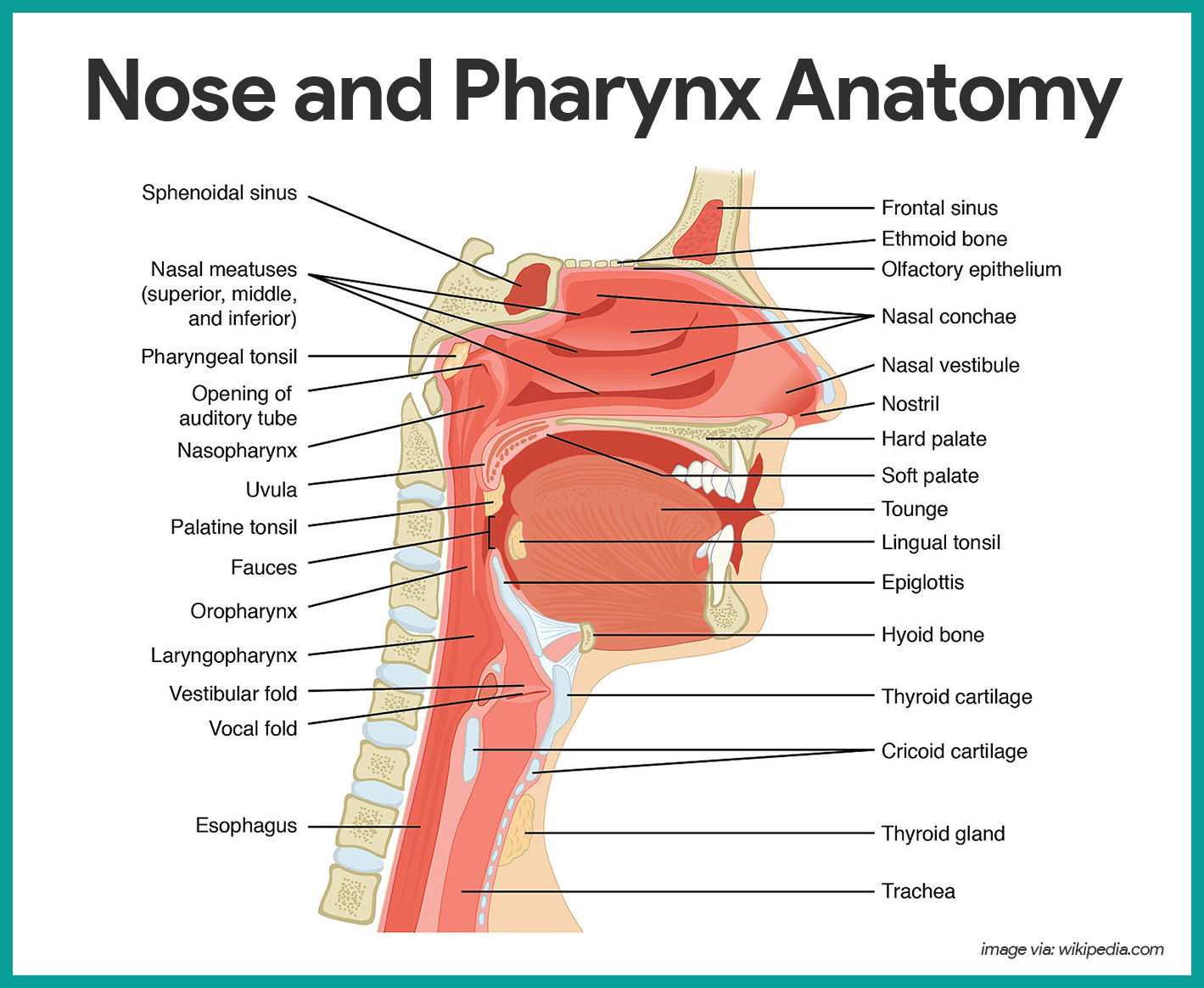
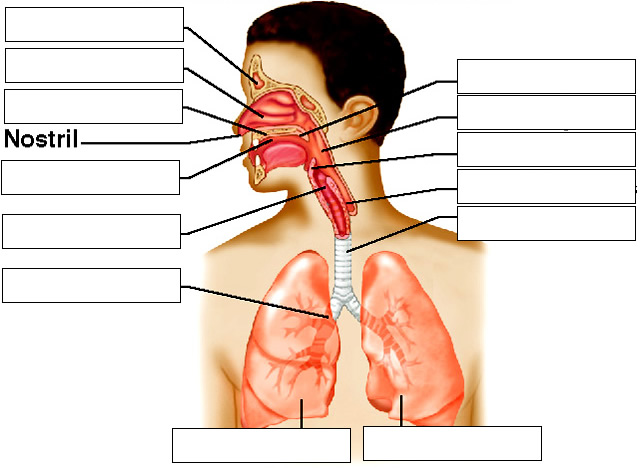
Providing smooth passage of air from the nasal cavity to the lungs. As you breathe in air through your nose and. Nasal septum divides the cavity into right and left portions. Another primary function of the voice box is producing sounds and speech. Hollow area inside the nose. Air cells that open independently into the nasal cavity. Nasal cavity air is warmed and filtered as it enters the body. Respiratory system diagram order and functions 1. The nose and nasal cavity constitute the main external opening of the respiratory system. The nasal cavity is the uppermost part of the respiratory system, divided into two by the nasal septum. The sinuses are part of your nose and respiratory system. The passage connecting the oral and nasal pharynges, called isthmus, allows humans to breathe both through the nose and mouth 12. Nasal cavity diagram unlabeled :
The sinuses are part of your nose and respiratory system nasal cavity diagram. The nasal cavity is the are inside the nose, separated from the oral cavity (the area inside the mouth) by the nasal spine.

Comments
Post a Comment